



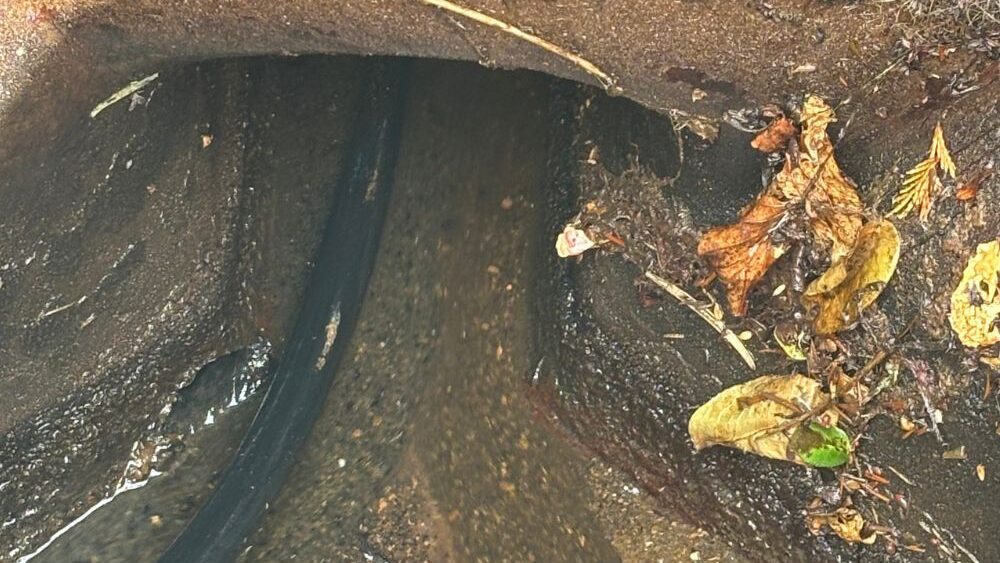
To help prevent blocked drains in autumn, keep fallen leaves away from outdoor grilles, check gutters and downpipes, and stop cooking fats and food scraps entering your sink. Repeat outdoor checks as leaves fall, particularly after windy weather.
These simple habits can reduce avoidable blockages. They also make it easier to notice when water is no longer draining as it should.
Here is a practical guide to preparing your home’s drains for autumn, with a checklist you can use throughout the season.
Clear Leaves Before They Cover Outdoor Drains
Fallen leaves can form a wet layer over a drain grille, making it harder for rainwater to pass through. Twigs, grass cuttings and loose soil can collect in the same places.
Start with drains beneath trees, beside hedges and at the bottom of sloping paths or driveways. Sweep debris away from the opening and collect it for appropriate garden waste disposal.
Avoid hosing leaves and soil towards the drain. This can move the material into the drainage system rather than remove it.
You do not need to clear every leaf from your garden. Focus on the routes water needs to take, including the narrow-grated channels sometimes fitted across driveways and patios. Keep these clear of plant pots, storage boxes and other obstacles too.
Wear gloves when handling debris and only clear areas you can safely reach. Leave heavy inspection covers in place. If a grille is broken or missing, arrange a suitable replacement to help prevent larger debris from entering.
Autumn Drainage Clearance in Dorchester
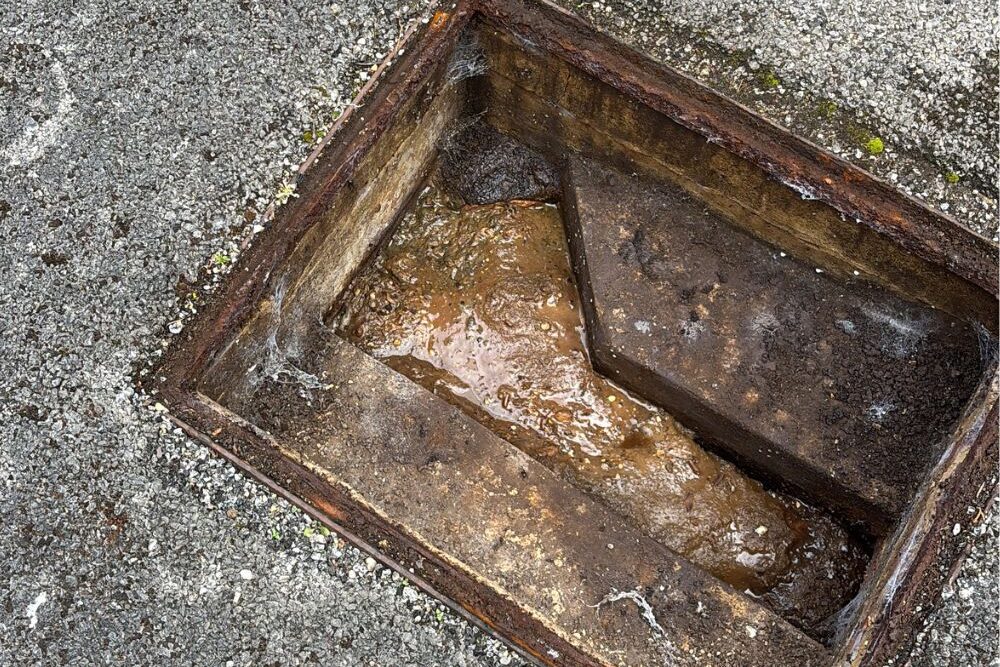
A homeowner in Dorchester, Dorset contacted Go Drains after noticing rainwater pooling around an outside drain. The problem had become more noticeable during autumn, as fallen leaves and garden debris collected around the drainage grille.
What We Found
The property was surrounded by mature trees. When we attended, wet leaves, small twigs and other garden debris were heavily covering the grille, restricting the amount of rainwater able to enter the drain.
How We Resolved The Problem
We cleared the leaves and debris from the grille and surrounding area, allowing rainwater to enter the drain correctly again. Following the clearance, the water drained away normally and the pooling stopped.
We advised the homeowner to check the drainage point regularly throughout autumn and clear away leaves, particularly after windy weather.
What This Means For Your Autumn Checks
In this case, surface debris was preventing water from entering the drain. Clearing the grille resolved the immediate problem. It is a useful reminder to keep outdoor grilles and drainage channels clear, especially where mature trees produce heavy leaf fall.
If water still pools after visible debris has been removed, further assessment may be needed to establish the cause.
Check Gutters and Downpipes from Ground Level
Leaves can collect above ground as well as around outdoor drains. If gutters become obstructed, rainwater may spill over the edge instead of travelling down the downpipe.
From the ground, look for:
- Plants or debris visible along the gutter.
- Sagging sections or disconnected fittings.
- Water spilling over during rainfall.
- Staining on the wall beneath a gutter joint.
Overflow does not always mean a blockage; damaged fittings or poor alignment may also need attention. Arrange suitable help for cleaning or repairs that require access at height.
Include gutters in your seasonal preparations, as recommended in the Met Office’s storm preparation advice. Once they have been cleared, check them again as nearby trees continue shedding leaves.
Keep Cooking Fats and Food Waste Out of the Sink
While you are checking outside, autumn is a useful time to review everyday kitchen habits too.
Fat from roasting trays, cooking oil and greasy food leftovers can contribute to deposits inside drainage pipes. Keep them out of the sink, even if you are running hot water or using washing-up liquid.
Allow fats to cool, collect them in a suitable container and follow local disposal guidance. Scrape food scraps into the appropriate waste bin and wipe greasy pans before washing them. A sink strainer can catch smaller pieces of food.
These habits follow Wessex Water’s advice on avoiding blockages and are useful throughout the year.
Pay Attention to Water that Keeps Pooling
Once rainfall has passed and conditions are safe, check whether water is lingering around a drain or repeatedly collecting in the same part of your driveway.
First, look for visible leaves or debris covering the opening. If the surface is clear but the problem continues, do not assume more sweeping will solve it.
Standing water can have several causes, including a drainage obstruction, saturated ground or the slope of the paving. A puddle alone does not identify which one applies.
If you need advice, useful details to record include:
- Where the water collects.
- Whether it happens during ordinary rain or only heavy downpours.
- Whether the area drains afterwards or stays wet.
- Whether the problem is new or has happened before.
A photograph taken from a safe position can also help explain the issue.
Investigate Drainage Problems that Keep Returning
Routine maintenance can keep loose debris out of drainage openings, but it cannot correct damaged underground pipework.
If the same drain repeatedly backs up, or drainage remains slow despite surface openings being clear, arrange an assessment. Where further investigation is appropriate, a CCTV drain survey can help identify obstructions or defects inside the pipes.
You do not automatically need a survey because autumn has arrived. Persistent symptoms and the condition of the drainage system should guide the next step.
Your Autumn Drain Maintenance Checklist
Use this as a starting point and adjust it to the amount of leaf fall around your property.
| When | What to check |
| At the start of autumn | Clear accessible grilles and drainage channels. Check gutters visually and arrange cleaning if needed. |
| Weekly during heavy leaf fall | Sweep leaves away from drainage openings and collect loose garden debris. |
| After strong winds, once safe | Check for fresh accumulations of leaves and twigs. |
| After rainfall | Notice recurring pooling or gutter overflow and record anything unusual. |
| Throughout the year | Keep fats, oils and food scraps out of the sink. |
Properties beneath mature trees may need more frequent attention. One clear-out at the start of the season may not be enough.
Need Help with a Persistent Drainage Problem?
If water keeps backing up or an outside drain repeatedly overflows, Go Drains can assess the problem and explain the appropriate next step. Find out more about our blocked drain services.
If sewage is overflowing, keep people and pets away from the affected area and seek urgent assistance.
For local coverage and emergency assistance, find out more about our drain unblocking in Dorset.
Go Drains supports homes and businesses across Dorset, Hampshire and Wiltshire. Call 0333 772 4388 to discuss your drainage problem.